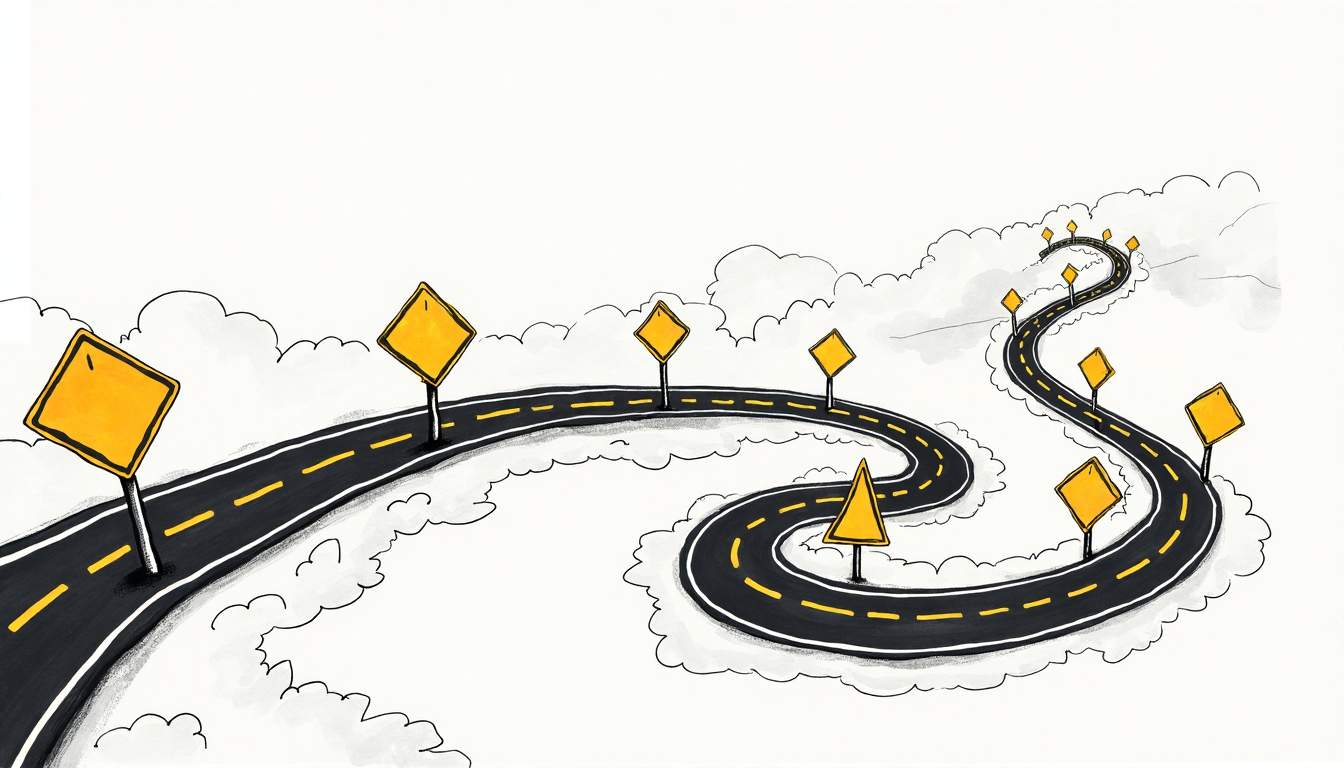
Your customer journey map is often seen as a vital tool in understanding how consumers interact with brands. However, many businesses rely on outdated models that fail to capture the complexity of human behavior. This oversight can have significant repercussions, leading to missed opportunities and ineffective marketing strategies. In an age where personalization and emotional connection are paramount, it’s essential to reevaluate how customer journey maps are constructed and utilized. The traditional funnel model may no longer suffice in providing the insights needed to foster genuine relationships with customers.
Why Traditional Funnels Ignore Emotional Triggers
Traditional marketing funnels typically follow a linear progression: awareness, consideration, conversion, and retention. While this model has served its purpose in the past, it overlooks a crucial element of consumer behavior—emotions. Customers do not move through a funnel in a straight line; their journeys are often nonlinear and influenced by a myriad of emotional triggers.

For instance, a potential buyer might feel excited about a product after seeing an advertisement but may later experience doubt due to negative online reviews. This emotional rollercoaster can lead to abandonment at various stages, yet traditional funnels fail to account for these fluctuations. As a result, businesses may find themselves puzzled by high drop-off rates or low conversion figures, unaware that emotional responses are at play.
Moreover, the traditional funnel does not consider the impact of social influences and peer recommendations, which can significantly sway a customer’s decision-making process. In a world where social media reigns supreme, consumers are often influenced by their peers’ opinions and experiences. Ignoring these emotional and social triggers can lead to a disconnect between brands and their audiences, ultimately costing businesses both revenue and customer loyalty.
Additionally, the role of storytelling in marketing cannot be overstated. Stories have the power to evoke emotions, create connections, and foster a sense of belonging. When brands share compelling narratives that resonate with their target audience, they tap into the emotional triggers that drive consumer behavior. For example, a brand that highlights its commitment to sustainability through a heartfelt story about its impact on the environment can inspire feelings of pride and loyalty among eco-conscious consumers. This emotional engagement can lead to not just one-time purchases, but long-term relationships built on shared values.
Furthermore, the rise of experiential marketing has shifted the focus from mere transactions to creating memorable experiences that elicit strong emotional responses. Events, interactive campaigns, and immersive brand experiences allow consumers to engage with a brand on a deeper level, fostering emotional connections that traditional funnels cannot capture. By prioritizing these experiences, brands can better navigate the complexities of consumer emotions and ultimately guide potential customers through a more fluid and responsive journey, enhancing both conversion rates and customer satisfaction.
Building Journey Maps That Drive Intimacy and Trust
To create effective customer journey maps, businesses must shift their focus from a rigid funnel model to a more dynamic and holistic approach. This involves understanding not just the steps customers take but also the emotions they experience along the way. Mapping out these emotional journeys can help brands identify pain points and moments of delight, allowing them to tailor their strategies accordingly.

One effective method for building these maps is to conduct in-depth customer interviews and surveys. By gathering qualitative data directly from consumers, businesses can gain insights into their motivations, fears, and desires. This information can then be used to create a more nuanced map that reflects the true customer experience. Moreover, leveraging social media listening tools can further enrich this data collection process, as it allows brands to tap into real-time conversations and sentiments expressed by customers across various platforms. This dual approach of qualitative and quantitative data can provide a comprehensive view of the customer landscape.
Another key aspect of developing journey maps that foster intimacy and trust is the incorporation of touchpoints that resonate emotionally with customers. For example, brands can enhance their customer interactions by personalizing communications, providing timely support, and celebrating milestones. These efforts not only address customer needs but also create a sense of connection that encourages loyalty. Additionally, integrating storytelling into these touchpoints can further deepen emotional engagement. By sharing relatable narratives that reflect customer experiences or values, brands can create a more vivid and memorable journey that resonates on a personal level.
Additionally, businesses should consider employing tools such as empathy mapping, which focuses on understanding customers’ thoughts, feelings, and motivations. This technique can help identify emotional triggers and inform strategies that align with customers’ values and aspirations. By prioritizing emotional engagement, brands can create a more compelling customer journey that ultimately leads to stronger relationships and increased retention. Furthermore, utilizing journey mapping workshops that involve cross-functional teams can enhance collaboration and ensure that all departments are aligned in their understanding of the customer experience. This collective effort can lead to more innovative solutions that address customer pain points effectively.
In conclusion, the traditional customer journey map is not just outdated; it is fundamentally flawed. By recognizing the importance of emotional triggers and adopting a more comprehensive approach to mapping customer experiences, businesses can cultivate deeper connections with their audiences. This shift not only enhances customer satisfaction but also drives long-term loyalty, ultimately leading to greater success in an increasingly competitive marketplace.